
Key Takeaways
- Gallbladder disease affects millions of Americans, with symptoms ranging from mild discomfort to severe pain, indicating the need for surgical removal.
- Seven key signs warrant gallbladder evaluation: severe upper abdominal pain, nausea and vomiting, fever and chills, jaundice, digestive problems after eating, unexplained weight loss, and repeated attacks of pain.
- Gallbladder removal symptoms and complications from gallstones or inflammation can lead to serious health problems if left untreated, including infection, pancreatitis, and bile duct obstruction.
- Cholecystectomy, the surgical removal of the gallbladder, is typically performed using minimally invasive techniques that allow for quick recovery and excellent outcomes.
- Syracuse Hernia Center provides comprehensive general surgery services, including advanced gallbladder surgery, with Dr. Robert Weiss offering both laparoscopic and robotic surgical approaches for optimal patient outcomes. Contact our Syracuse, New York, practice to schedule a consultation and discuss whether you need gallbladder surgery.
Understanding Gallbladder Function and Disease
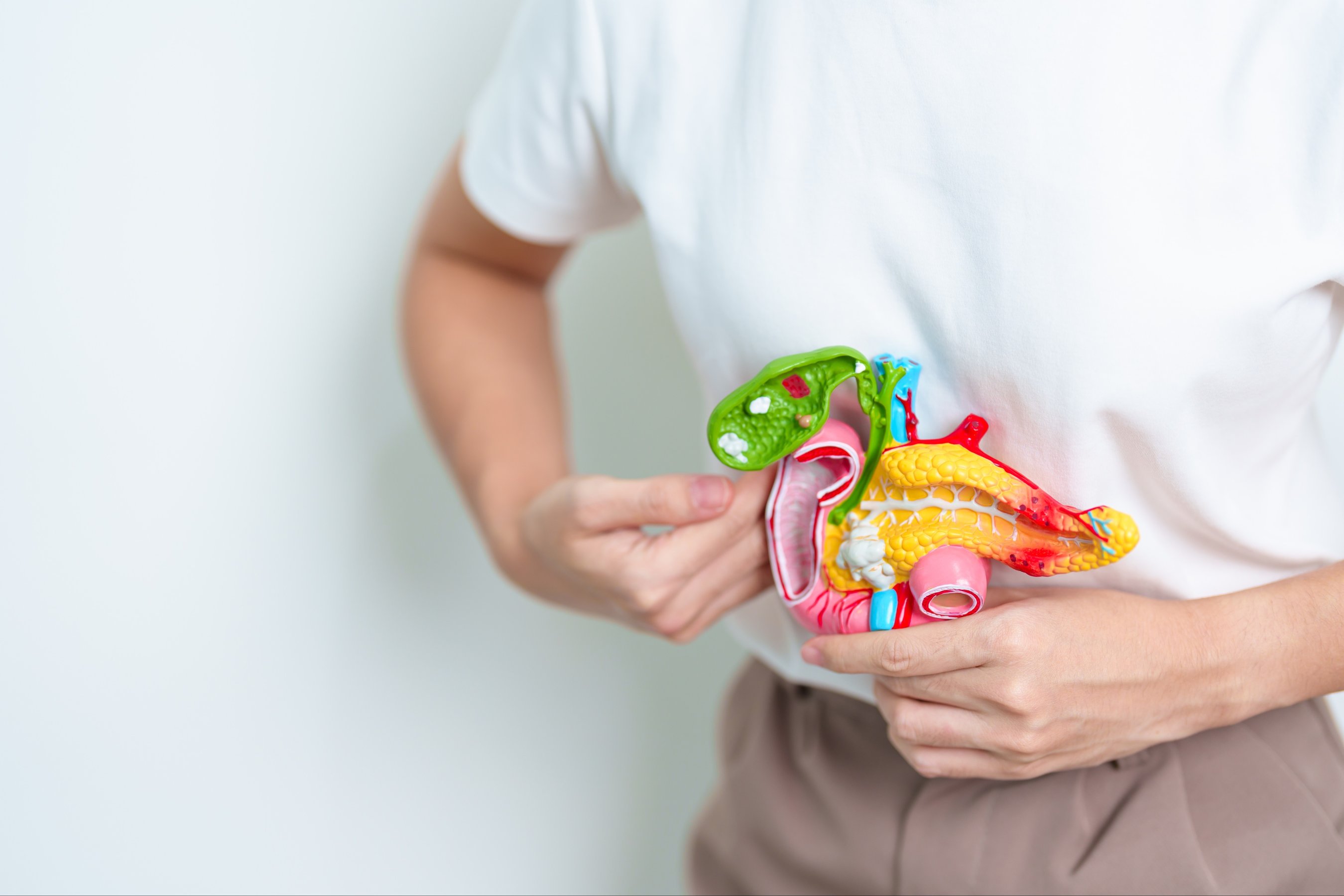
The gallbladder is a small, pear-shaped organ located beneath the liver that stores bile, which is a digestive fluid produced by the liver. When you eat fatty foods, the gallbladder contracts and releases bile into the small intestine to aid in fat digestion. Despite its important role, people can live perfectly normal lives without a gallbladder, as the liver continues producing bile that flows directly into the intestine.
Gallbladder disease most commonly involves gallstones, hardened deposits of digestive fluid that form in the gallbladder. These stones range in size from tiny grains to golf ball-sized masses. Gallstones form when bile contains too much cholesterol or bilirubin, or too few bile salts, leading to crystallization. Other gallbladder conditions include cholecystitis (inflammation), biliary dyskinesia (poor gallbladder function), and gallbladder polyps.
7 Gallbladder Pain Symptoms Indicating You May Need Surgery
1. Severe Upper Right Abdominal Pain
The hallmark symptom of gallbladder problems is sudden, intense pain in the upper right portion of the abdomen, just below the rib cage. This pain, often called biliary colic, occurs when a gallstone temporarily blocks the bile duct. The pain typically begins suddenly, builds to maximum intensity within minutes, and can last from 30 minutes to several hours. Many patients describe the sensation as sharp or cramping, sometimes radiating to the right shoulder blade or between the shoulder blades. Pain that recurs frequently or lasts more than a few hours requires medical evaluation.
2. Persistent Nausea and Vomiting
Nausea and vomiting frequently accompany gallbladder attacks, particularly when eating fatty or greasy foods. The digestive distress results from the gallbladder's inability to properly release bile, impeding fat digestion. Some patients experience nausea without vomiting, while others have repeated episodes of vomiting during gallbladder attacks. Chronic nausea, especially when associated with upper abdominal pain, signals the need for gallbladder evaluation. These symptoms significantly impact quality of life and nutritional status when they become persistent.
3. Fever and Chills
Fever accompanied by chills may indicate a gallbladder infection or inflammation, a condition called acute cholecystitis. When gallstones block the gallbladder outlet, bile becomes trapped, creating an environment conducive to bacterial growth. The infection causes the gallbladder to become swollen and inflamed, often producing fever above 100.4°F (38°C), chills and shaking, and severe, constant abdominal pain. Fever and chills with gallbladder pain represent a more urgent situation requiring prompt medical attention, as untreated infection can lead to serious complications, including gallbladder rupture.
4. Jaundice and Dark Urine
Jaundice (yellowing of the skin and whites of the eyes) occurs when a gallstone blocks the common bile duct, preventing bile from draining into the intestine. The trapped bile builds up in the bloodstream, causing the characteristic yellow discoloration. Additional signs of bile duct obstruction include dark, tea-colored urine, light-colored or clay-colored stools, and intense itching. According to the Cleveland Clinic, jaundice from gallstones requires urgent treatment to prevent liver damage and other complications. This symptom always warrants immediate medical evaluation.
5. Chronic Digestive Problems After Eating
Many people with gallbladder disease develop ongoing digestive issues that worsen after meals, particularly those high in fat. These gallbladder disease signs include bloating and gas, diarrhea occurring 30 minutes to several hours after eating, indigestion and heartburn, and feeling uncomfortably full. These symptoms arise because the diseased gallbladder cannot effectively release bile to digest fats. Patients often notice they increasingly avoid fatty foods or feel sick after consuming meals they previously tolerated well. When dietary modifications fail to resolve these symptoms, surgical evaluation becomes appropriate.
6. Unexplained Weight Loss
Unintentional weight loss can result from chronic gallbladder problems through multiple mechanisms. The fear of pain or nausea leads many patients to eat less or avoid entire food groups. Malabsorption of fats and fat-soluble vitamins impairs nutrition. Chronic inflammation increases metabolic demands. While some weight loss might seem beneficial, significant unintended weight loss suggests a serious underlying disease that requires treatment. Weight loss exceeding 5% of body weight over six months without trying should prompt medical evaluation.
7. Repeated Episodes of Biliary Colic
Perhaps the most definitive sign that you need gallbladder surgery is experiencing repeated attacks of biliary colic, which is the intense pain caused by gallstone obstruction of the bile ducts. Even if individual episodes resolve, recurring attacks indicate ongoing gallstone problems that will likely continue and potentially worsen. Each attack carries risks of complications, including pancreatitis (inflammation of the pancreas), cholangitis (bile duct infection), and gallbladder perforation. Once you've experienced multiple gallbladder attacks, surgical removal becomes the appropriate treatment to prevent future episodes and serious complications.
When to Remove Your Gallbladder
Acute Conditions Requiring Surgery
Certain gallbladder conditions necessitate prompt surgical intervention. Acute cholecystitis with infection requires surgery, typically within 72 hours of symptom onset. Gallstone pancreatitis (inflammation of the pancreas triggered by a gallstone blocking the pancreatic duct) mandates cholecystectomy to prevent recurrence. Gallbladder perforation, though rare, represents a surgical emergency. Symptomatic gallstones with jaundice indicate bile duct obstruction requiring urgent intervention.
Chronic Symptomatic Gallstones
For patients experiencing repeated gallbladder attacks, chronic pain, or persistent digestive symptoms, elective cholecystectomy offers definitive treatment. Waiting for symptoms to worsen or complications to develop subjects patients to unnecessary suffering and increased surgical risk. Early surgical intervention, when performed on a non-inflamed gallbladder in otherwise healthy patients, typically results in easier surgery, faster recovery, and excellent outcomes.
Considering Individual Factors
The decision regarding when to remove the gallbladder considers multiple factors, including symptom frequency and severity, impact on quality of life and ability to work or enjoy activities, presence of complications or high-risk features, patient's overall health and ability to tolerate surgery, and personal preferences regarding management approaches. Dr. Weiss discusses these factors with each patient to determine the optimal timing for surgery.
Gallbladder Surgery at Syracuse Hernia Center
Surgical Approaches
Syracuse Hernia Center performs cholecystectomy using advanced minimally invasive techniques. Laparoscopic cholecystectomy remains the gold standard for gallbladder removal, using four small incisions to remove the organ with camera guidance. This approach offers significant advantages over traditional open surgery, including less post-operative pain, typically only one night in the hospital or same-day discharge, faster recovery with return to normal activities in one to two weeks, smaller scars, and reduced infection risk.
Robotic Gallbladder Surgery
For complex cases (such as severe inflammation, prior abdominal surgeries that have caused adhesions, or unusual anatomy), Dr. Robert Weiss uses robotic surgical techniques. The robotic platform provides enhanced visualization through high-definition 3D imaging, greater precision with instruments that have a greater range of motion than traditional laparoscopic tools, and improved ability to dissect in difficult anatomic situations. Robotic surgery proves particularly valuable when gallbladder inflammation or scarring complicates removal, allowing for safe, effective surgery even in challenging circumstances.
What to Expect From Gallbladder Surgery
Gallbladder removal is one of the most commonly performed surgeries, with hundreds of thousands of procedures completed annually in the United States. The surgery typically takes 60 to 90 minutes under general anesthesia. Most patients go home the same day or after one overnight hospital stay. Post-operative pain is generally mild and controlled with standard pain medications. Recovery involves a gradual return to a normal diet, starting with light foods and advancing as tolerated. Most patients resume work within one to two weeks and full activity within four weeks.
Life After Gallbladder Removal
Living without a gallbladder rarely causes significant problems. The liver continues producing bile, which simply flows continuously into the intestine rather than being stored and released as needed. Most people return to their normal diet without restrictions after initial recovery. Some patients experience temporary loose stools or more frequent bowel movements in the weeks following surgery as their digestive system adjusts, though these issues typically resolve within a few months. The overwhelming majority of patients report significant improvement in symptoms and quality of life after gallbladder removal.
Comparing Gallbladder Disease to Other Surgical Conditions
| Condition | Primary Symptom | Treatment Approach | Recovery Time |
|---|---|---|---|
| Gallbladder Disease | Upper right abdominal pain | Laparoscopic or robotic cholecystectomy | 1-2 weeks |
| Hernia | Visible bulge, discomfort | Laparoscopic or robotic hernia repair | 2-4 weeks |
| Appendicitis | Lower right abdominal pain | Laparoscopic appendectomy | 1-2 weeks |
| Diverticulitis | Lower left abdominal pain | Medical management or surgery | Varies |
While Syracuse Hernia Center specializes in hernia repair, the practice provides comprehensive general surgery services, including gallbladder surgery. This broad expertise means patients receive knowledgeable care for multiple abdominal conditions from an experienced surgical team.
Don't Ignore Gallbladder Symptoms
Recognizing the seven key signs indicating you might need gallbladder surgery empowers you to seek timely treatment. Whether experiencing severe pain attacks, persistent digestive problems, or concerning symptoms like fever or jaundice, evaluation by an experienced surgeon helps determine the best course of action. Dr. Weiss and the team at Syracuse Hernia Center provide expert gallbladder surgery using advanced minimally invasive and robotic techniques.
Stop suffering from gallbladder pain and digestive distress. Schedule a consultation with Syracuse Hernia Center today to discuss your symptoms and learn about your gallbladder surgery options for lasting relief.
Frequently Asked Questions
How do I know if my gallbladder pain is serious enough for surgery?
Gallbladder pain warranting surgery typically involves repeated episodes of severe upper abdominal pain lasting 30 minutes or longer, especially after eating fatty foods. If you've had more than one attack of biliary colic, experience pain with fever or jaundice, or find that gallbladder symptoms are affecting your daily life and ability to eat normally, it's time to discuss surgery. While a single mild episode might be observed, recurring symptoms indicate progressive disease best treated surgically before complications develop. Syracuse Hernia Center can evaluate your specific situation and recommend appropriate timing for intervention.
Can I manage gallstones without surgery?
While some people with gallstones remain asymptomatic and may not require immediate intervention, symptomatic gallstones causing repeated pain or complications require surgical removal. Medications to dissolve gallstones exist but work slowly, have limited effectiveness, and stones typically recur once medication is stopped. Dietary modifications may reduce attack frequency but cannot eliminate gallstones or cure gallbladder disease. Once symptoms begin, they generally continue and worsen over time. Surgery remains the only definitive treatment that permanently resolves the problem.
What are the risks of delaying gallbladder surgery?
Postponing necessary gallbladder surgery increases the risk of serious complications. These include acute cholecystitis with infection potentially progressing to gangrenous gallbladder or perforation, gallstone pancreatitis, which can be life-threatening, bile duct obstruction causing jaundice and potential liver damage, and cholangitis (bile duct infection). Emergency surgery performed for complications carries a higher risk than elective surgery performed before the crisis develops. Additionally, chronic symptoms significantly diminish quality of life. When surgery is recommended, proceeding with treatment typically offers the safest course.
Will I be able to eat normally after gallbladder removal?
Most patients return to their normal diet without permanent restrictions after gallbladder removal. During the initial recovery period (the first few weeks), starting with low-fat, easily digestible foods helps your digestive system adjust. After this adjustment period, the vast majority of people eat whatever they want without problems. A small percentage of patients experience persistent loose stools after fatty meals, but this affects fewer than 10% of patients and often improves over time. Many patients actually find they feel better eating previously troublesome foods after surgery, since the diseased gallbladder no longer causes pain and digestive distress.
How long does it take to recover from minimally invasive gallbladder surgery?
Recovery from laparoscopic or robotic cholecystectomy is typically quite rapid. Most patients go home the same day or after one overnight hospital stay. Pain is usually mild to moderate and well-controlled with standard pain medications. You can expect to return to desk work and light activities within one week, resume normal activities, including driving, within one to two weeks (once off pain medication), and achieve full recovery with no activity restrictions within four weeks. Individual recovery varies based on overall health, whether surgery was elective or performed for acute disease, and each person's healing process. Dr. Weiss provides personalized recovery guidance based on your specific circumstances.
